


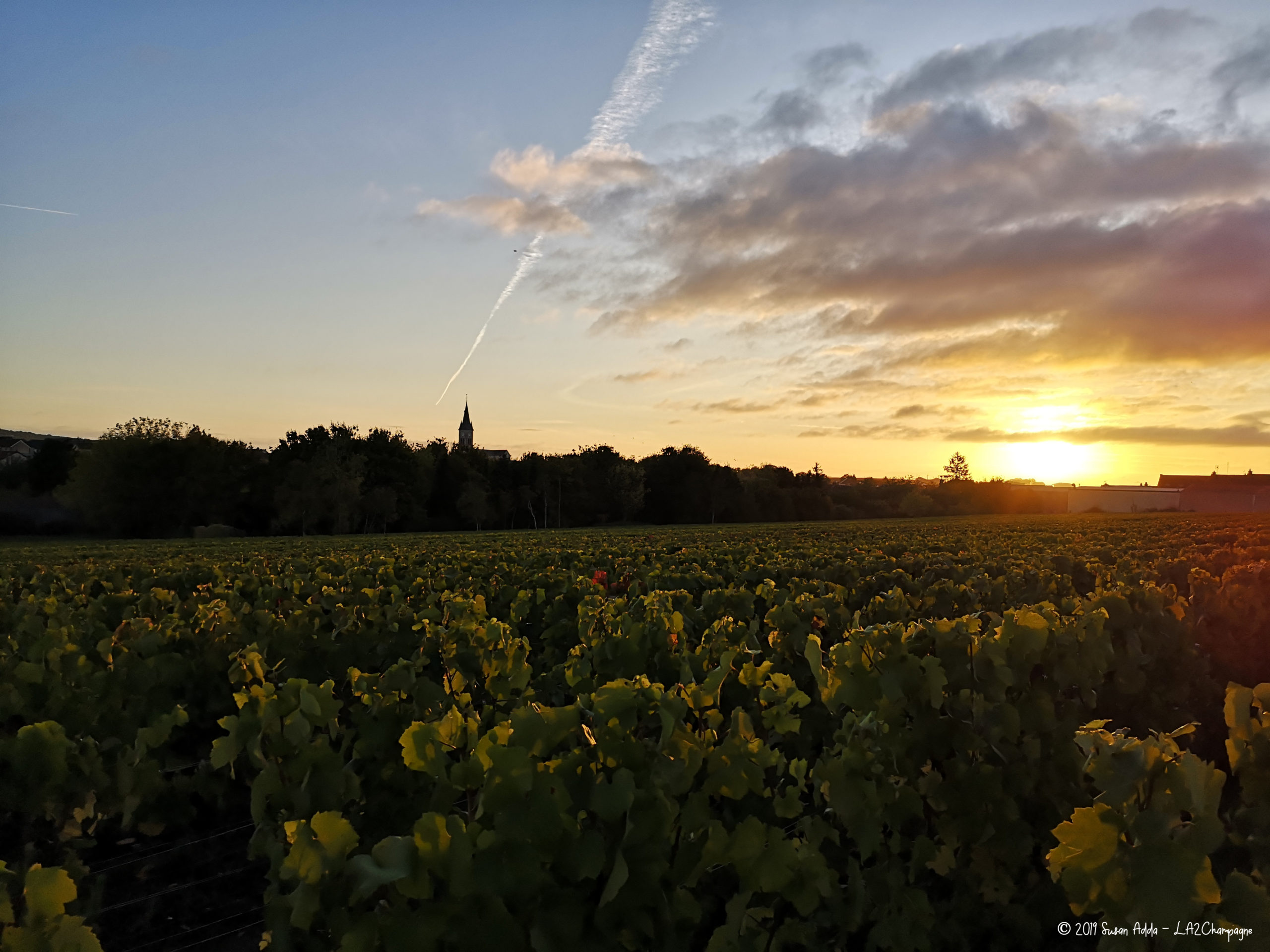
There is no disputing that climate change is affecting all wine-growing regions and Champagne is one of them. Global temperatures have risen, and are predicted to continually increase, but the weather is not the only climate that has changed.
How will Champagne evolve with the climate change?
Mother Nature is viticulture’s mistress, muse and business partner. Lately she has been more temperamental than usual, as the drastic differences between the 2015 harvest and the 2016 harvest in Champagne demonstrate.
2015 was an amazing growing season for Champagne, with the right amount of warm sunny weather to provide what “winemakers expect to be a vintage to rival 1947”
The 2016 harvest, with its hail storms and rainy summer, proved challenging, more than producers had seen in 30 years. In the end, however, warm sunny weather in the month of August gave the vines a much needed boost and overall the result was a happy surprise, but some areas of champagne lost more than 50% of their crops to mold and mildew.
Encouraging Strategies:
The CIVC:
In an effort to get a jump on climate change the CIVC (Comité Interprofesionnel du Champagne) has announced a partnership with the French National Institute for Agricultural Research in an attempt to develop new grape variety hybrids that could be more climate change resistant. 4000 hybrid seeds will be planted and 4 or 5 varieties will eventually be selected for use under the A.O.C.
The CIVC has also improved sustainable growing guidelines including making the certification HVE – ‘Haute Valeur Environnementale’ (HVE, high environmental value) available to those champagne producers who adhere to the technical guidelines for wine-growing practices.
Independent Producers:
Mavericks that they are, constantly testing possibilities, many independent champagne producers had already begun experimenting to address climate change long before the CIVC project was put in place. Champagnes made from “Forgotten” grape varieties (Arbanne, Petit Meslier, Pinot Blanc…) and 100% Meunier Champagnes are trending. More and more producers are converting to sustainable, organic and bio-dynamic practices or a combination of each. Some are exploring intense Horticulture techniques, working to control the origins their vines and vine stock.
In general most are employing a more gentle handling of Mother Nature both in the vine and the wine, allowing more of the natural attributes of terroir and grape varieties to shine through.
Community
An encouraging sign for sustainability in Champagne is the number of associations, fraternities and academies and groups within the Champagne community who come together on a regular basis to meet, discuss and exchange evolutionary ideas and to promote of their activities as producers, keeping an open dialog.
The UNESCO designation of Champagne as a world heritage site is promising, as long as effective initiatives in wine tourism continue to be supported and promoted.
Discouraging strategies:
Jumping ship – “If you can’t beat them, join them”
“Crossing the Channel.” Some have already made the move to sparkling production in England, where chalk soils resemble those in Champagne and the summer weather resembles that of the Champagne region 30 years ago.
A certain chef de cave from a certain house in Champagne is now working for a certain vineyard in Hampshire. Not only that but a there is also a certain big Champagne house that has purchased land in Kent with the intention of growing vines and setting up shop. Others, notably from Champagne, go to England wineries to work as consultants.
Are these signs of a defeatist attitude?
English sparkling is reported to be “catching up to its French cousin” thanks to a – (yes, only one, but that’s obviously enough) – bottle that won the “Decanter” magazine’s International Trophy for Sparkling Wine.
Then again, expanding sparkling production outside of Champagne is not entirely new (Roederer has been in Northern California since the 1990s and Taittinger since 1987)
Climate change isn’t just about the weather, it is also about the wine market climate.
There are also rumors going around about certain champagne house who have lowered their prices by 20% – Is this a move simply in reaction to Brexit , or simply a reaction to more competitive sparkling wine market that has increased by 40% in the past 10 years?
Champagne is still the king of wines and a good king should lead by example.
Its in order to maintain its reputation and honor its name it is Champagne’s responsibility to lead by example when it comes to sustainable production. It must be an effective leader when it comes to adapting to climate change as well as changes in the wine market.
Innovative steps must continue be taken toward improving the environment. Climate change can be addressed while ensuring quality and production.
But also Champagne should work toward being more relatable, not entirely elitist, to compete on the global market, by taking advantage of branding techniques, effective communication strategies and marketing.